
By Muhammad Saleem
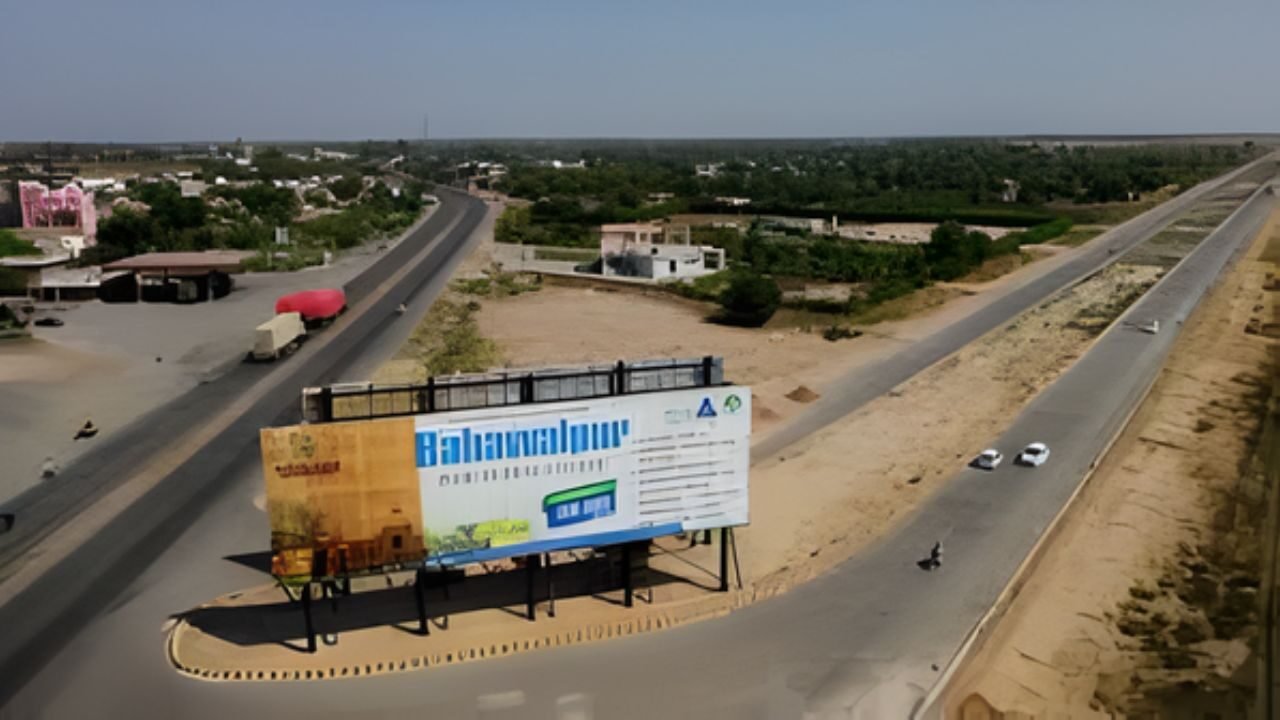
A surprising surge in factory openings is putting Bahawalpur on South Punjab’s industrial map. Experts say that lower land rates at the Bahawalpur Industrial Zone have attracted fresh Bahawalpur industrial investment, leading to eight new factories and promising new jobs for the region.
Stepping into action, Muhammad Sami, an official at the Punjab Industrial Estate Development and Management Company overseeing the zone, told this reporter that the government is offering land at much lower rates than other parts of the district.
He added that the Punjab government is working hard to support industrialists in Bahawalpur.
Making progress, Sami noted that about eight factories are currently being set up under the government’s business-friendly policies. “These projects will create employment and contribute valuable revenue to strengthen the national economy,” he said.
Streamlining processes, Sami said the government is moving beyond announcements, focusing on making the industrial zone fully functional and appealing for investors.
Administrative procedures have been simplified and essential facilities provided to encourage businesses to set up operations. “Our priority has been to remove obstacles that frustrate investors,” he emphasized.
Planning for long-term growth, he highlighted that the investments reflect consistent effort, not one-off initiatives.
“Our goal is long-term industrial growth, not temporary activity,” Sami said.
Industry Concerns and Challenges
Abdul Latif, a ginning factory owner, told this reporter that incentives alone won’t work unless a level playing field is ensured. He pointed out that millers face high electricity and raw material costs, and repeated appeals for relief have gone unanswered.
Linking Agriculture to Industry
Latif warned that the ginning sector depends on cotton farmers. If farmers abandon cotton cultivation, the industry will collapse.
“Who would consider shifting to the Bahawalpur Industrial Zone when they are already struggling to survive—profit is out of the question,” he said. He also noted that high input costs and low government-set prices are discouraging farmers this season.
Investor Optimism and Limitations
Farhan Ahmed, another industrialist, said that lower land rates and investor support through reforms are positive steps. But he cautioned that these measures alone are not enough to attract widespread industrial investment. Affordable electricity remains critical for growth.
Global Comparison and Competitiveness
Ahmed said Pakistan’s competitors are equipping industries with modern technologies to meet foreign buyer demands efficiently.
“In Pakistan, however, those at the helm seem to be doing the opposite, making it difficult for entrepreneurs to survive,” he added.
Support from All Levels and Policy Needs
Ahmed appreciated the provincial government’s efforts but stressed that the federal government must also step up. “It is commendable that the provincial government is working hard for industrialisation.
Now the federal government must lower gas and electricity rates so the business community can compete internationally,” he said. He also emphasized the urgent need for sustained economic measures in South Punjab. Without practical steps from authorities, the region’s industrial growth will remain limited.
Author Profile

-
Muhammad Saleem is a Lahore-based journalist with a focus on environmental issues, urban development, and the challenges faced by local industries.
With years of experience reporting on the intersection of business, policy, and public health, Muhammad Saleem, brings in-depth analysis and firsthand insights into the struggles of small and medium enterprises as they navigate regulations and sustainability challenges.