
By Qudsia Bano
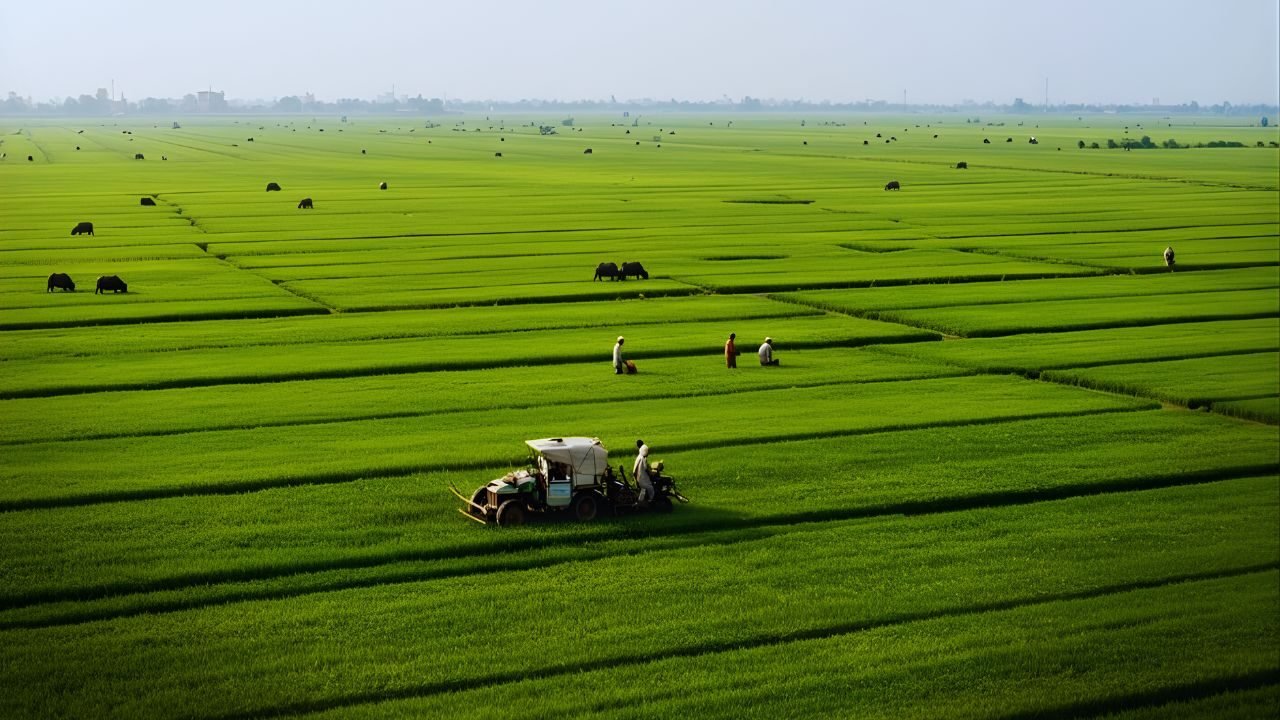
A major meeting of China’s top leaders recently spotlighted something many countries often overlook: the future of rural life, a focus closely tied to China rural revitalization. At a time when cities usually dominate the headlines, China’s focus on farm communities stood out as one of the most striking themes of its latest national agenda.
China Rural Revitalization and Regional Impact
To begin with, the fourth plenary session of the 20th Central Committee of the Communist Party of China (CPC), held in October 2025, placed rural revitalization and agricultural modernization at the centre of the country’s development goals for 2026–30, reports this reporter.
Rural Growth and China’s National Priorities
Next, the session stressed that agriculture, rural areas, and farmers remain at the heart of China’s national progress. Leaders reaffirmed that improving life in the countryside must happen in a balanced and well-planned way.
Development Goals and Infrastructure Improvements
Then, the agenda pointed toward improving how the country grows. It called for better planning of development across regions, stronger ties between urban and rural areas, and improved rural infrastructure so people living outside cities can enjoy a higher quality of life.
Key Lessons for Pakistan’s Agricultural Future
After that, leaders made it clear that the coming five years will be critical for improving the quality, efficiency, and strength of China’s farming sector.
The country aims to build stronger rural industries, protect farmland, bring in new farming technologies, and support new systems that encourage fresh ideas in agriculture.
Moving forward, the session also explained that rural revitalization must be complete. It must include stronger local governance, better living conditions, and improved development capacity so that reforms produce real benefits for farmers.
Again, China’s leadership highlighted that rural well-being is tightly connected to national progress. The stability and growth of the country depend greatly on the health of its rural regions.
Turning to Pakistan, the lessons hit close to home. Pakistan continues to struggle with low agricultural productivity, rural poverty, divided land usage, and weak infrastructure.
China’s model offers useful guidance for addressing these long-standing problems.
Right now, Pakistan’s agriculture sector operates far below its potential. Outdated farming methods, poor water management, limited mechanization, and weak value chains keep farmers from achieving better results.
Many rural communities still lack proper services, leaving a growing divide between urban and rural living standards.
At this point, a rural development approach that connects infrastructure upgrades, modern farming practices, and stronger rural welfare—as China is attempting—could give Pakistan a more complete way forward.
Policy Insights from Chinese and Pakistani Experts
In addition, China’s push to improve public services in rural regions, strengthen governance, and raise living conditions is especially important for Pakistan.
Today, rural-to-urban migration continues to spread, putting pressure on cities and weakening village life. Much of this movement is caused by the lack of basic facilities in rural areas.
From here, strengthening rural schools, healthcare, transport links, digital networks, and local administration could directly support Pakistan’s agricultural reforms by giving farmers the environment they need to succeed.
Meanwhile, China’s plan stresses careful, region-to-region planning and warns against development that benefits only big cities.
With Pakistan’s wide regional differences, a similar approach could help spread opportunity more evenly.
Another key lesson involves farmers’ incomes. China aims to raise earnings by connecting farmers directly to modernization efforts.
Instead of short-term subsidies or limited support, China is transforming rural industries so farmers can take part in more productive, technology-based farming systems.
With this in mind, Pakistan could build a similar long-term plan by investing in modern seed development, improving water-efficient farming, strengthening agricultural extension services, supporting cooperatives, and encouraging progress in food processing and storage.
These steps could move Pakistan away from a low-productivity, high-wastage model and closer to modern agricultural standards.
Later, Dr. Kamran Siddiqui, Director of the Centre for Agricultural Policy Research at the University of Agriculture Faisalabad, said China’s rural revitalization plan shows the importance of seeing agriculture as part of a larger system.
According to him, productivity, infrastructure, governance, and social services must improve together. He noted that if Pakistan adopted such an integrated framework, it could finally address long-standing issues that piecemeal reforms have failed to fix.
Then, Dr. Naila Farooq, Senior Research Fellow at the Sustainable Development Institute Islamabad, explained that Pakistan’s biggest lesson from China is the focus on better rural living standards alongside farming reform.
She noted that Pakistan has often looked only at crop production while ignoring clean water, housing, sanitation, and service delivery.
China’s model, she said, offers a path for building rural communities where economic and social progress support each other, ensuring long-term rural stability.
Finally, China’s 2026–30 rural revitalization roadmap stands as a clear example of how modern farming and improved rural welfare can move together.
If Pakistan applies these lessons and builds a long-term, farmer-centred strategy, it could strengthen food security, improve livelihoods, and lay the foundation for a more stable and resilient national economy.
Author Profile

-
Qudsia Bano is a financial correspondent focused on Pakistan's fiscal health.
Her reporting, driven by SBP data, tracks the country's vital foreign exchange reserves. Bano’s work highlights the central bank's success in stabilizing reserves near the $19-20 billion range, underscoring its crucial effort to maintain exchange rate stability.