By Muhammad Saleem
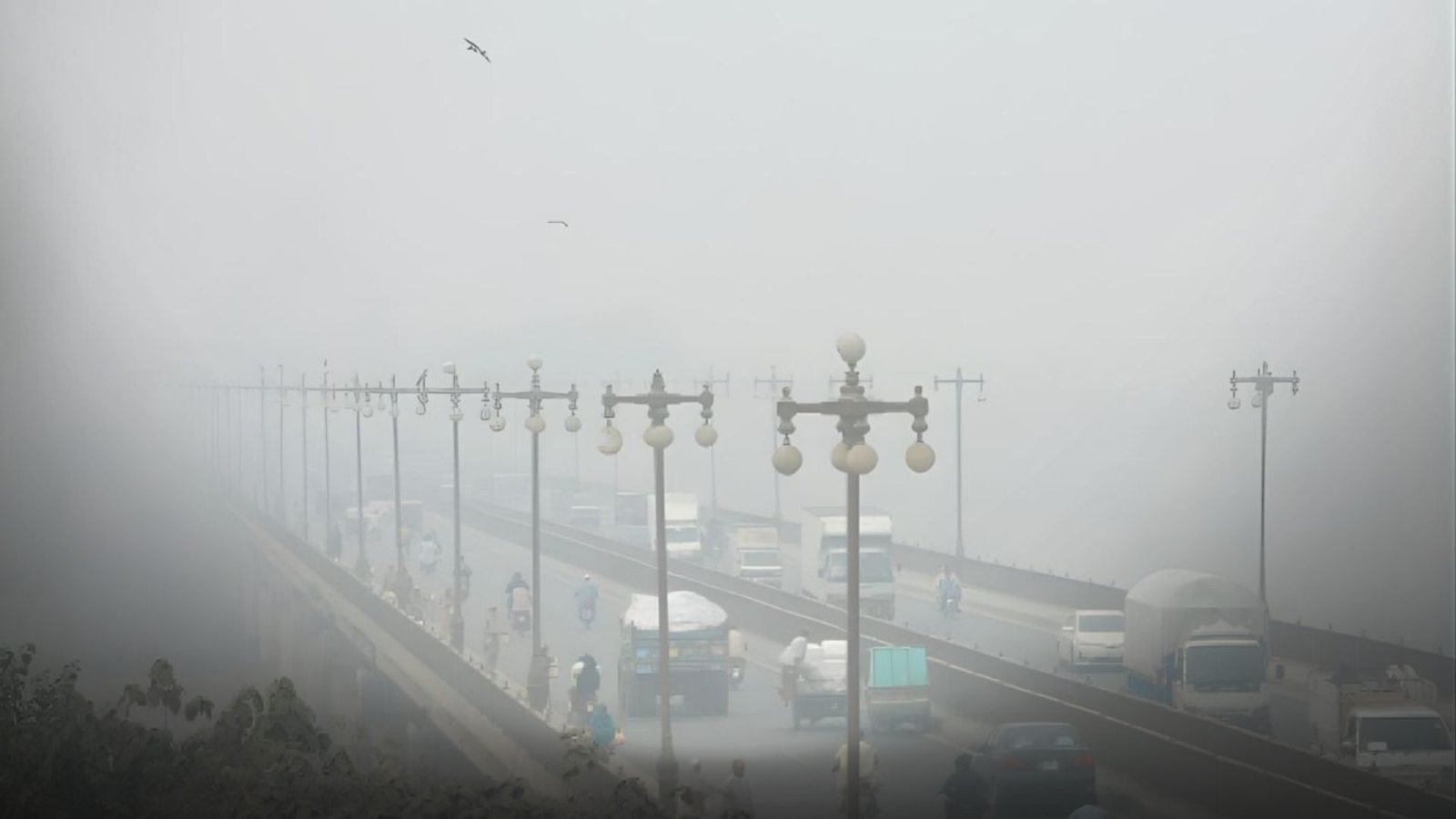
Lahore’s traders are worried that Lahore smog business closures could hit evening sales hard, slow nightlife, and make it harder for businesses already struggling with high prices and fewer customers.
The district administration has ordered all commercial establishments to close by 10 p.m. every day as part of measures to tackle worsening smog. A similar plan was in place last year during the smog season.
Traders Criticize Lahore Smog Business Closures
Katib Hussain, who owns a steel workshop, told this reporter that while everyone wants cleaner air, the approach is “misguided.”
“No doubt we want cleaner air, but shutting shops and emptying streets is not the way to do it,” he said. “We need a strategy that protects both the air we breathe and the livelihoods that keep this city running.”
Hussain added that the government often changes business hours — sometimes to save electricity, other times to fight smog — showing inconsistent policies and weak administration. “Who will make up for the losses businesses face because of these sudden rules?” he asked, claiming the focus seems more on taxes than public welfare.
He also said that authorities already knew about the smog problem and should have worked on long-term solutions instead of imposing blanket restrictions. “Instead of punishing the business community, those responsible for managing the environment should be held accountable,” he added.
Evening Sales Take a Hit
Noor Ahmed, another trader, said most businesses in Lahore make money in the evening when people shop and eat out after office hours, around 8 p.m. “Closing markets at 10 p.m. leaves us barely two productive hours,” he said.
Ahmed pointed out that sales have already dropped by nearly a third due to inflation, leaving many shop owners struggling to pay rent and salaries. “Smog is real, but small traders shouldn’t bear the economic burden alone,” he added.
Short-Term Measures Won’t Improve Air
He also argued that early closures would do little to clean the air because “reducing traffic and electricity use at night only has a small, short-term effect.” The bigger issues, he said, are vehicle emissions, crop-residue burning, industrial smoke, and construction dust — the main sources of smog.
“It’s not realistic to think early market closures will fix the air,” he said. “Lahore needs cleaner fuel, better public transport, and stricter checks on polluting factories.”
Calls for Stronger Enforcement
Ahmed stressed that the government should enforce rules on unfit vehicles and industrial emissions instead of using temporary fixes. “It’s ironic that such a big environmental problem is being treated with short-term measures. The government should review its policy rather than forcing traders to cut their hours,” he suggested.
Economic and Social Impact
The new rules threaten not only trader incomes but also Lahore’s nightlife, overall retail recovery, and consumer spending patterns. Experts warn that consistent, long-term environmental strategies are needed rather than reactive market closures.
Author Profile

-
Muhammad Saleem is a Lahore-based journalist with a focus on environmental issues, urban development, and the challenges faced by local industries.
With years of experience reporting on the intersection of business, policy, and public health, Muhammad Saleem, brings in-depth analysis and firsthand insights into the struggles of small and medium enterprises as they navigate regulations and sustainability challenges.