By Ayesha Saba
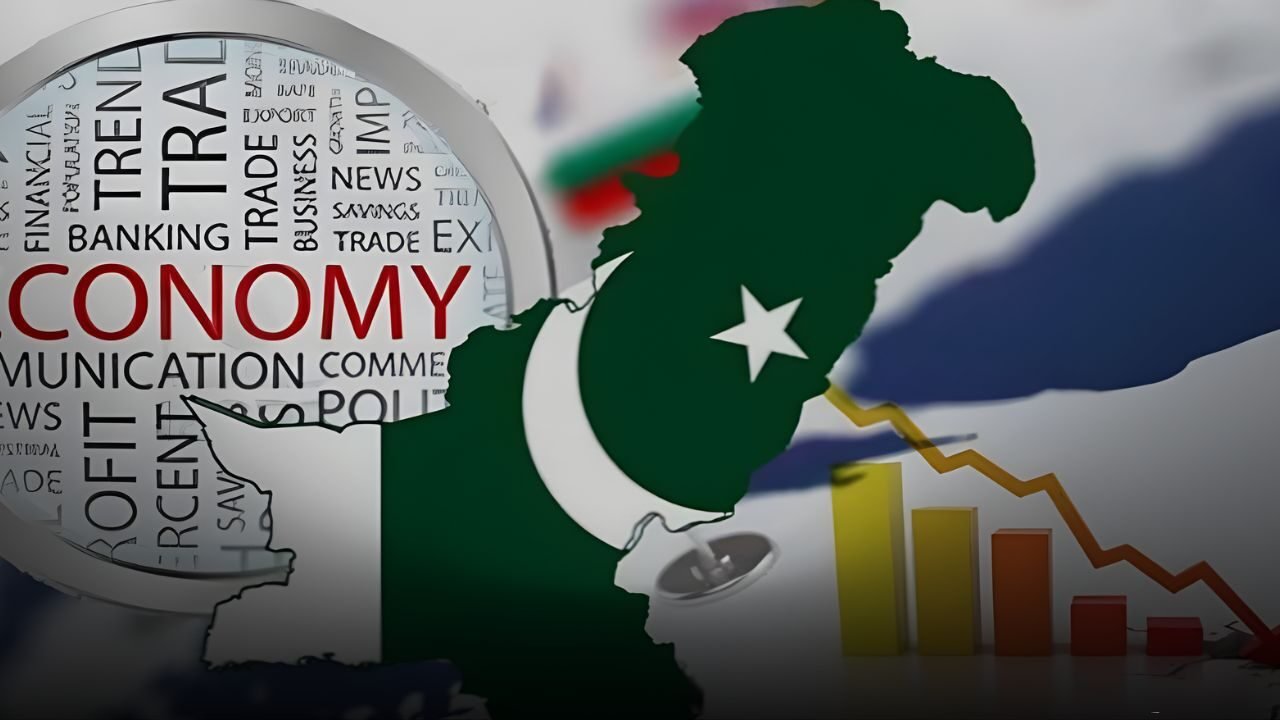
A surprising stretch of calm has started to settle over Pakistan’s economy, where months of shaky numbers are finally showing signs of steady improvement, giving early hints of Pakistan economic stability 2025.
Lower inflation, stronger industrial activity, and rising tax revenues have pushed economic indicators in a more hopeful direction during the first four months of the current fiscal year.
Monthly Update and Government Measures
To begin, the Ministry of Planning, Development and Special Initiatives shared its November 2025 Monthly Development Update, noting that the country’s economic picture has improved because of tighter administrative controls, stronger financial discipline, and government projects aimed at keeping the recovery on track.
Inflation Trends and Market Conditions
Moving forward, the report points to a sharp fall in inflation, which eased to 4.7 percent from July to October of FY2025-26, compared to 8.7 percent in the same months last year.
Prices dropped in July and August, signaling early stability, before climbing to 6.2 percent in October because floods disrupted supply chains. Officials say this calmer price trend was possible due to administrative action and relief steps that supported markets during challenging weeks.
Industrial Output and LSM Recovery
At the same time, Pakistan’s Large Scale Manufacturing sector, which struggled for two straight years, has started to rebound. Industrial production grew by 4.4 percent in July and August, a major change from the slight 0.2 percent decline seen during the same period last year.
This rise in factory activity increased the need for raw materials and fuel, giving the wider economy a helpful push.
Tax Collection Growth and Fiscal Management
On the fiscal side, tax collection gained strong ground. The Federal Board of Revenue collected Rs3,834.9 billion between July and October FY2025-26, up 11.4 percent from Rs3,442.7 billion last year.
In October alone, the agency collected Rs950.6 billion, 8.1 percent more than the same month in FY2024-25. The report says this steady climb reflects better revenue efforts and improved financial management.
External Sector, Imports, and Remittances in Pakistan Economic Stability 2025
On another front, external sector indicators offered a mix of gains and setbacks. Exports initially grew by 0.7 percent in July and August, but heavy flood damage pushed overall exports down by 4 percent from July to October.
Total goods exports reached $10.4 billion, compared to $10.9 billion last year. Even so, services exports rose 14.7 percent from July to September, supported by a 20.5 percent increase in IT exports, which totaled $1.1 billion.
Meanwhile, imports increased to $23 billion from $20 billion last year, a 15.1 percent rise linked to higher industrial activity, more capital goods entering the country, and trade liberalization steps taken by the government.
As a result, the goods trade deficit widened to $12.6 billion from $9.1 billion in FY2024-25. The current account deficit stood at $0.6 billion from July to September, slightly above last year’s $0.5 billion.
Amid these pressures, remittances stayed strong. Overseas Pakistanis sent $13 billion between July and October FY2025-26, a 9.3 percent increase from $11.9 billion last year. The report says families back home relied more on this support as they dealt with inflation and flood-related problems.
Looking ahead, the report says that despite tight finances and costs tied to flood recovery, the government remains committed to stable and inclusive growth. Investments in infrastructure, agriculture, clean energy, and digital systems, along with closer cooperation with development partners, are expected to build confidence in the coming months.
The Planning Ministry also notes that easing prices, better financial controls, and stronger monitoring and evaluation systems are helping shape a more stable economic outlook.
Finally, the report states that Pakistan is moving from early recovery toward steady growth, with improving economic signals laying the foundation for more balanced and sustainable development.
Author Profile

-
Ayesha Saba is an economic journalist advocating for Pakistan's shift from unstable farming to high-value sectors.
Her sharp analysis of the central bank's report spotlights tourism and technology as vital engines for job creation and resilience, urging urgent policy pivots toward a **diverse and sustainable future.