By Moaaz Manzoor
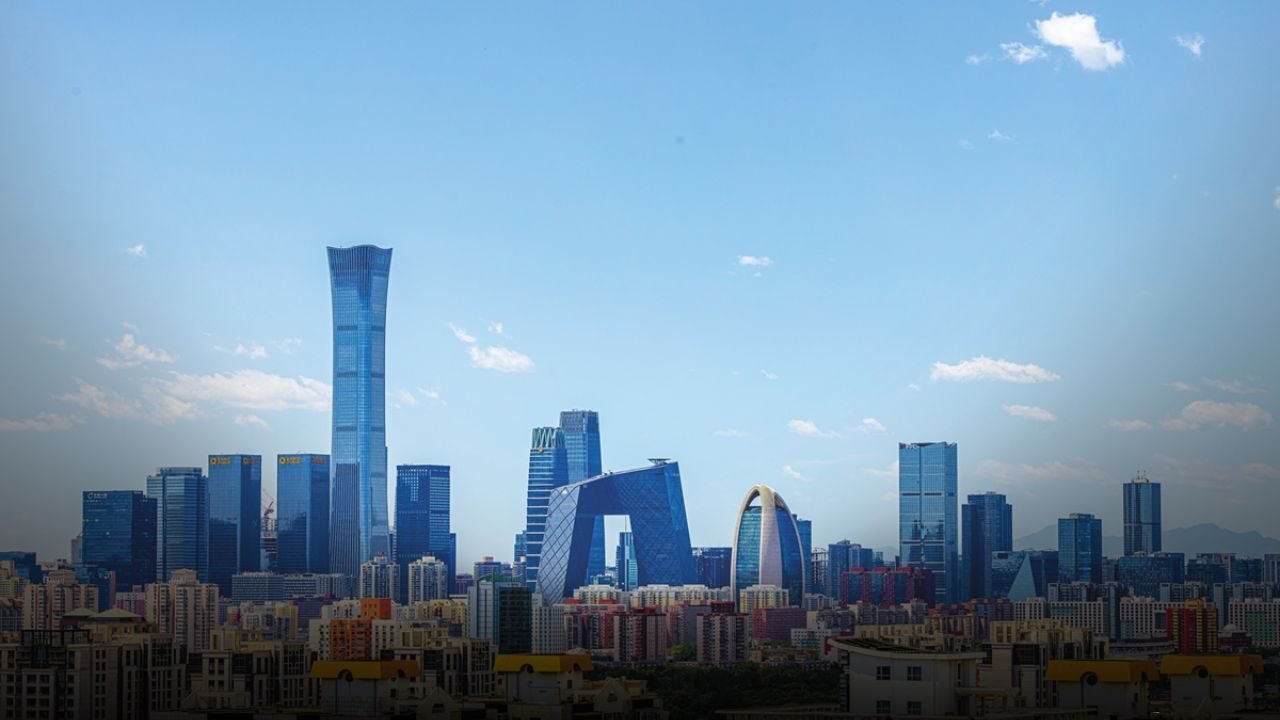
Pakistan SEZ modernization is becoming a major opportunity as China’s 15th five-year plan for 2026–2030 encourages high-tech, innovation-driven industrial growth, reports this reporter. This plan could redefine how Pakistan develops its Special Economic Zones (SEZs) for the future.
Pakistan SEZ modernization: A shift to high-tech industries
Beijing’s “modern industrial system” strategy is pushing traditional industries to upgrade while creating new sectors such as new energy, aerospace, quantum tech, biomanufacturing, hydrogen and fusion energy, brain-computer interfaces, and 6G.
Pakistan has a chance to move beyond just building infrastructure and start building an innovation-focused industrial base.
During the China-Pakistan Economic Corridor (CPEC), Pakistan mostly focused on roads, energy plants, and logistics networks, but the step toward increasing production quality remained limited.
Now, China’s next phase highlights high-quality growth in services and advanced manufacturing, signaling that Pakistan must integrate technology, research, and skilled labor into its SEZ plans.
China’s 2026–2030 industrial strategy and opportunities for Pakistan
China’s new guidelines also call for updating traditional sectors while supporting new industries, including the low-altitude economy, new materials, and future technologies.
Pakistan’s nine key SEZs — Rashakai, Allama Iqbal Industrial City, Dhabeji, Bostan, and M-3 Faisalabad — could benefit if they shift from labor-intensive to tech-driven operations.
Dr. Nasir Iqbal, Associate Professor and Registrar at Pakistan Institute of Development Economics (PIDE), said linking existing industrial clusters in Sialkot, Lahore, and Karachi to the regional value chains is critical.
“Special Economic Zones are built for specific industries, but we already have several working industrial hubs. To benefit from China’s diversification, Pakistan must fix bottlenecks in payments, border clearance, and ease of doing business,” he said.
Transforming key SEZs from labor to technology-driven hubs
He added that targeted, innovation-focused policies are crucial to unlock CPEC’s full industrial potential.
“We should follow what other countries, including China, are doing in AI and robotics. By bringing innovation into existing clusters and offering specific incentives, like for AI exports, we can create extra export opportunities. General subsidies won’t help; we need fast, focused reforms.”
China’s plan also emphasizes combining technology with production, making innovation the main growth driver. Pakistan can mirror this by setting up tech parks, testing centers, and research hubs near SEZs, which could encourage partnerships in robotics, electric vehicles, and digital logistics. This would create skilled jobs and transfer technology locally.
Innovation, AI, and robotics: Unlocking Pakistan’s industrial potential
Nabila Jaffer, Head of China Program at the Institute of Regional Studies (IRS), told this reporter that Pakistan must strengthen its foundations to fully benefit from China’s modernization push.
“Pakistan needs structural reforms and better governance. Digital platforms and e-governance can improve transparency and efficiency,” she said.
She added that collaboration in electronics, mining, EV components, and renewable energy could meet domestic demand and expand exports.
She further noted, “If China relocates IT and high-tech industries to Pakistan, joint ventures and talent exchanges can support knowledge creation and transfer.”
China’s commitment to carbon neutrality will influence its global investments. Pakistan can take advantage by offering “green industrial zones” powered by renewable energy and recycling systems, attracting Chinese firms under pressure to reduce emissions.
Integrating industrial supply chains is another opportunity. China aims to open its economy further through international cooperation.
With its proximity to China and access to Middle Eastern markets via Gwadar, Pakistan could act as a complementary manufacturing and logistics hub if customs, transport, and trade systems are efficient.
Green industrial zones and sustainable growth in Pakistan SEZs
Financial and technology support will be decisive. As China improves its funding system for industrial innovation, Pakistan could explore joint financing platforms for high-tech projects.
Public–private partnerships, backed by development funds or Chinese institutions, could boost local manufacturing of solar, EV, and telecom components within SEZs.
To attract investors, SEZ authorities must simplify approvals, taxes, and ensure reliable utilities. At the same time, vocational and technical training should match China’s industrial priorities so Pakistan’s workforce is ready for automation, electronics, and green manufacturing.
China’s modernization push isn’t just about domestic growth — it reflects a global trend toward innovation and sustainability. For Pakistan, this means both challenges and opportunities.
By aligning its SEZ strategy with China’s 2026–2030 plan, the country could transform its manufacturing base, expand exports, and create skilled jobs.
As China’s new industrial plan unfolds, Pakistan’s next CPEC phase will rely on redefining SEZs — from infrastructure hubs to engines of technological progress — giving the country a chance to realize its long-awaited industrial revival.
Author Profile

-
Moaaz Manzoor is a business correspondent who meticulously tracks Pakistan’s crucial but neglected natural resource industries.
He specializes in exposing inefficiencies and charting the course of modernization, highlighting how efforts to mechanize mining have dramatically cut marble and granite wastage, driving a recovery and attracting vital investment.