By Qudsia Bano
ISLAMABAD, Dec. 11 (INP—this reporter) – Pakistan is planning a big move in the tea world. Instead of trying to compete with cheap teas from countries like India or Kenya, the country is aiming for high-end, Pakistan specialty tea that sell for higher prices, according to a strategy report prepared under the FAO Technical Cooperation Programme.
Pakistan Specialty Tea: A New Focus for Growth
The report shows that Pakistan’s climate and land are better suited for orthodox teas—like those made in Nepal, Darjeeling, and Sri Lanka—rather than the common CTC (Crush, Tear, Curl) teas.
Orthodox teas usually fetch higher prices and don’t require as much volume, making them a smart choice for Pakistan’s growing tea industry.
Orthodox Black Tea and Pan-Fired Green Tea Varieties
The strategy focuses on orthodox black tea and pan-fired green tea. Certain tea plant varieties, called P3, P5, P7, and P8, have already shown promise for making premium black tea in the cooler areas of Khyber Pakhtunkhwa (KP).
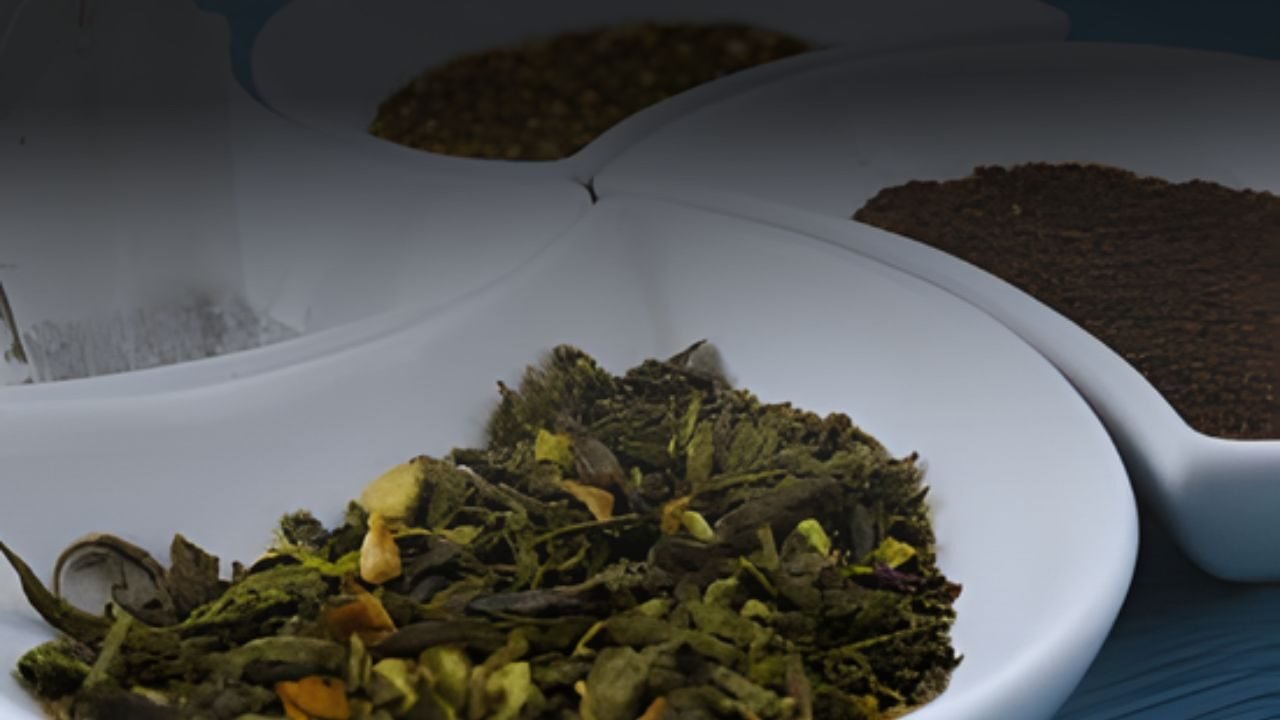
For green tea, the Qimen variety kept at the National Tea & High-Value Research Institute (NTHRI) is considered best for making pan-fired tea, which is popular in nearby markets.
Ensuring Quality Through International Standards
Quality is a major focus. The strategy calls for following ISO 3720:2011, the international standard for black tea. Sri Lanka uses the same benchmark for its national Lion Logo, and Pakistan hopes to adopt a similar system to build trust and meet export standards.
Safety, Residue Limits, and Export Readiness
The plan also includes strict rules for chemicals, safety, and moisture content. Pakistan aims to match the European Union’s Maximum Residue Limits (MRLs), some of the toughest in the world.
Following these rules will keep tea safe for local consumers and prepare it for international buyers.
Modern Processing Units and Private Sector Participation
Small, flexible processing units near tea-growing areas are part of the plan. These units can switch between black and green tea depending on the season and market demand.
Following international standards will help attract private investors, ensure product credibility, and give Pakistan a strong identity in the global specialty tea market.
Author Profile

-
Qudsia Bano is a financial correspondent focused on Pakistan's fiscal health.
Her reporting, driven by SBP data, tracks the country's vital foreign exchange reserves. Bano’s work highlights the central bank's success in stabilizing reserves near the $19-20 billion range, underscoring its crucial effort to maintain exchange rate stability.