By Muhammad Saleem
A fresh push to help thousands of rural women enter the textile workforce is taking shape in Punjab, where a major skills program is set to open doors for those who often have limited options close to home. This effort highlights the growing impact of Punjab women textile training across the province.
Punjab Women Textile Training and Job Placement
To start, the Punjab Women Development Department has chosen about 2,500 rural women for hands-on training in a wide range of textile fields. The government says it will make sure these women find jobs in their own cities once the training ends.
She Threads Program and Factory-Based Learning
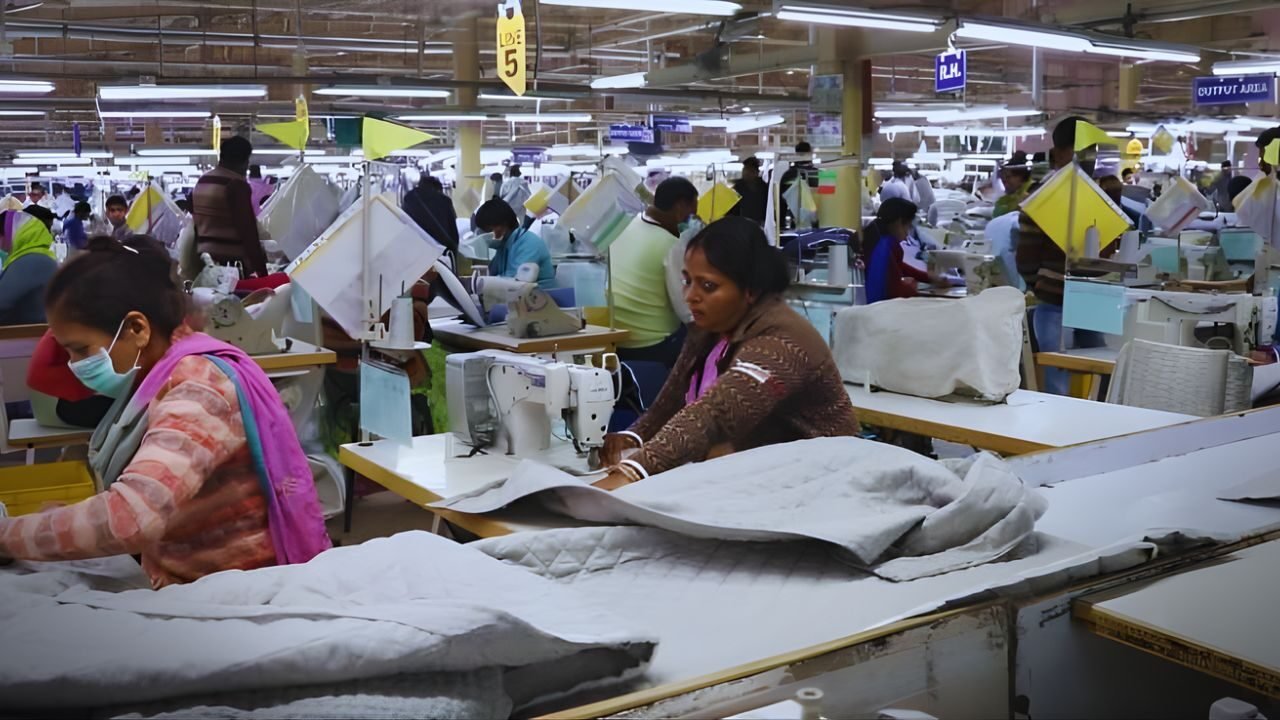
Next, during a briefing to members of the Punjab Assembly, Additional Secretary of the Women Development Department, Faiza Ahsan, said the She Threads program will place women directly inside textile factories so they can learn at real work sites.
She explained that once training is finished, the department will move quickly to help them secure jobs at the same places.
Then, she pointed out that the Punjab Skills Development Fund is the main partner responsible for carrying out the program.
Skill Development Across 29 Textile Trades
Later in the meeting, WDD Secretary Dr. Usman Ali said the central aim is simple but powerful: making sure all 2,500 women become employable.
He said the program focuses on giving women strong textile skills and will train them in around 29 trades inside factory premises.
Bangladesh Model and Criticism of Welfare Schemes
Moving forward, Parliamentary Secretary for Women Development Salma Saadia said the chief minister wants the program to follow a similar model used in Bangladesh, where more than 3.4 million women work in the textile industry.
She said the CM hopes to see women in Punjab learn multiple skills and help support one of the province’s most important export sectors.
After that, she explained that She Threads stands apart from the Industry Department’s Garment City project, which mostly trains women to operate machines.
At this stage, she also raised concerns about the Benazir Scheme Program. She said that when the government gives out large amounts of money to those in need, it sometimes turns women into dependents rather than helping them stand on their own feet.
Training Support, Industry Partnerships, and Budget Plans
From there, she outlined what the WDD program actually teaches. More than two dozen trades—such as dyeing, stitching, quality control, and floor management—are part of the training.
The program targets women from low- and middle-income families who often work in homes or informal jobs. To make attendance easier, the department provides pick-and-drop services along with financial support to help cover basic household needs during training.
She also said that job security at the training sites will be arranged right after the training period ends.
As the discussion continued, Dr. Ali said the project has moved beyond the planning stage and all agreements have been signed. Five cities—Faisalabad, Multan, Sheikhupura, Sialkot, and Lahore—have been chosen for contract signing. Classes are set to begin on December 10.
He added that contracts were awarded through open competition. Well-known textile groups—Interloop, Kohinoor, Asgard Lahore, Shahkam, and Master—are among the selected partners.
He further said the She Threads program has a budget of Rs150 million for the current fiscal year (FY 2025–26). Because the budget is limited and demand from industries is high—each requesting around 600 trained women—the department plans to order a third-party review before the year ends.
Finally, he said the WDD hopes to secure a larger budget for the next Annual Development Program so the initiative can grow even further.
Author Profile

-
Muhammad Saleem is a Lahore-based journalist with a focus on environmental issues, urban development, and the challenges faced by local industries.
With years of experience reporting on the intersection of business, policy, and public health, Muhammad Saleem, brings in-depth analysis and firsthand insights into the struggles of small and medium enterprises as they navigate regulations and sustainability challenges.